Massage therapy has been practiced for thousands of years, and for good reason. Whether you are dealing with chronic muscle tension, daily stress, or simply want to take better care of your body, the right massage can make a world of difference. But with so many body massage options available today, knowing where to start can feel overwhelming.
This guide breaks down the most popular massage styles, explains what each one does, and helps you figure out which one aligns best with your wellness needs. Think of it as your go-to resource before your next spa appointment.
Why Massage Therapy Is More Than Just Relaxation
Many people associate massage with pampering — and yes, it feels amazing — but the benefits go far deeper than comfort. Regular massage therapy has been shown to reduce cortisol (the stress hormone), improve circulation, ease muscle soreness, support better sleep, and even boost immune function.
When you visit a licensed massage therapist, you are investing in your physical and mental health. The key is understanding which type of massage addresses your specific needs.
The Most Popular Types of Body Massage and What They Do
1. Swedish Massage
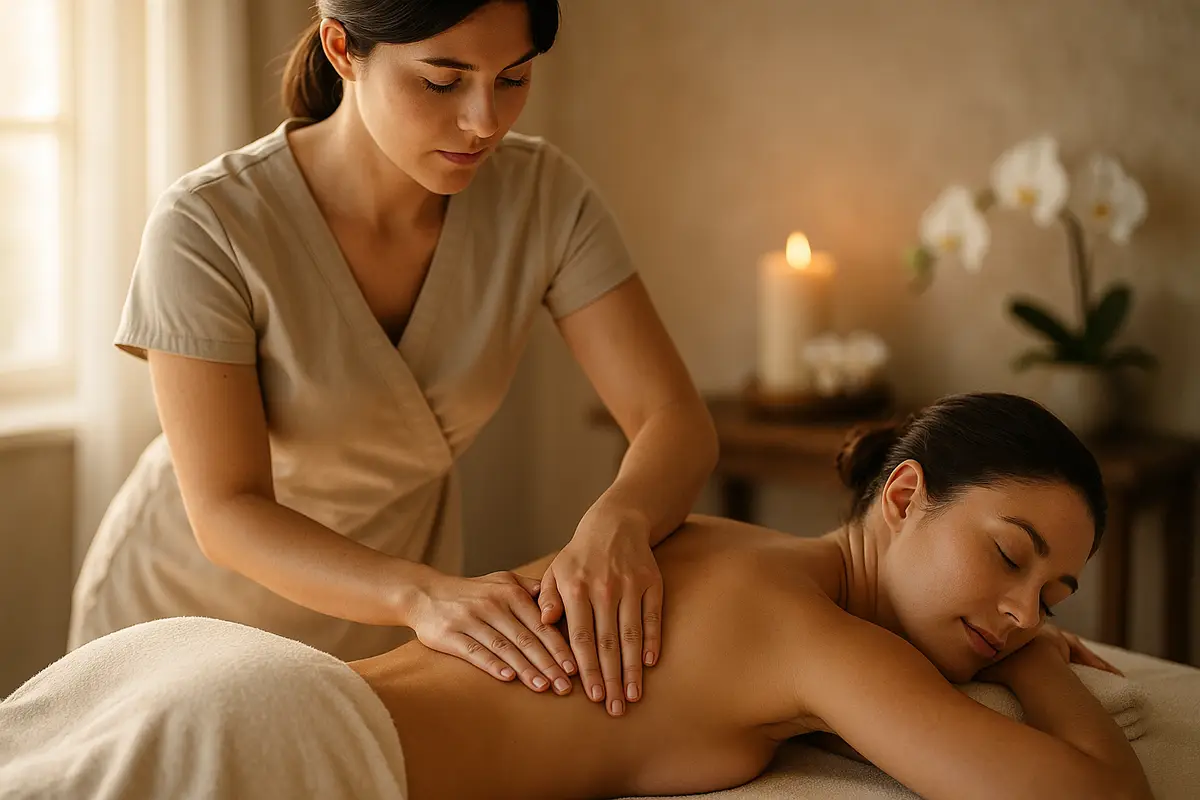
Swedish massage is the most widely known form of therapeutic touch, and it is often the best starting point for first-timers. It uses long, flowing strokes, gentle kneading, and circular movements on the topmost layers of muscles. The goal is full-body relaxation while encouraging better blood flow.
This style is ideal if you:
- Are new to massage therapy
- Struggle with general stress or anxiety
- Want to unwind after a long week
- Have tight muscles from everyday activity
If you have been curious about massage therapy versus a regular massage, Swedish massage sits right at the intersection of both — therapeutic in effect, but relaxing in experience.
2. Deep Tissue Massage
Deep tissue massage targets the deeper layers of muscle and connective tissue. Therapists use slower, more deliberate strokes with focused pressure to reach tension held in the muscle’s inner layers. This is a go-to option for people with chronic pain, stiffness, or injuries.
It’s worth noting that deep tissue massage can feel intense during the session, especially on tight areas. Mild soreness the following day is normal and typically subsides within 24 to 48 hours.
Best for: chronic back pain, neck stiffness, repetitive strain, post-workout recovery, and posture-related tension.
3. Hot Stone Massage
Hot stone massage incorporates smooth, heated basalt stones placed on key points of the body — typically along the spine, shoulders, and legs. The warmth from the stones penetrates deeply into the muscles, allowing the therapist to work more effectively without applying excessive pressure.
The result is a deeply calming experience that also helps reduce inflammation and ease pain. Many clients describe it as one of the most soothing massages available.
4. Sports Massage
Designed with active individuals in mind, sports massage targets muscles that take the brunt of physical activity. It combines techniques from Swedish and deep tissue massage with stretching and compression to prevent injuries, reduce recovery time, and improve athletic performance.
You do not have to be a professional athlete to benefit from this style. Anyone who works out regularly, runs, cycles, or spends long hours on their feet can benefit from a well-timed sports massage.
5. Prenatal Massage
Pregnancy puts enormous strain on the body. Prenatal massage is specifically designed to address the aches, swelling, and discomfort that expecting mothers commonly experience. Therapists are trained to position clients safely and focus on the lower back, hips, and legs — areas that tend to hold the most tension during pregnancy.
It is generally recommended after the first trimester and with a doctor’s approval.
6. Couples Massage
A couples massage is a shared experience where two people receive massages simultaneously in the same room. It is a wonderful way to connect, de-stress together, and enjoy a meaningful wellness experience as a pair.
Whether it is a romantic date, a birthday treat, or simply a way to spend quality time, couples spa experiences create lasting memories. You can even read more about why couples massage is perfect for relaxation and connection.
7. Lymphatic Drainage Massage
Lymphatic drainage uses light, rhythmic strokes to stimulate the lymphatic system, which plays a critical role in immune function and removing waste from the body’s tissues. It is particularly beneficial for people recovering from surgery, dealing with swelling or edema, or looking for a gentle detox boost.
This is a more specialized technique, and finding a trained therapist is important for safe and effective results.
8. Reflexology
Reflexology focuses on applying pressure to specific points on the feet, hands, and ears that correspond to different organs and systems in the body. The idea is that stimulating these reflex points promotes healing and balance throughout the entire body.
Reflexology is especially popular among those who prefer a fully clothed session or who want a focused foot treatment without a full-body massage.
9. Aromatherapy Massage
Aromatherapy massage combines traditional massage techniques with the therapeutic use of essential oils. Different oils serve different purposes — lavender for calming, eucalyptus for invigoration, peppermint for energy, and so on. The oils are absorbed through the skin and inhaled throughout the session, adding a sensory dimension to the healing process.
Pairing Massage With a Sauna Session
One of the most effective ways to amplify the benefits of any massage is to combine it with a sauna session beforehand. The heat from the sauna helps loosen muscles and open pores, making your body more receptive to massage work.
A sauna spa experience — whether it is a traditional steam sauna or an authentic Eastern European banya ritual — can dramatically enhance circulation and prepare the body for deeper therapeutic work. Many spa-goers find that this combination leaves them feeling more refreshed and deeply restored than either treatment alone.
Curious about how to prepare for your first time? Check out what to expect during your first spa visit for a helpful walkthrough.
Beyond Massage: The Role of Body Treatments in Your Wellness Routine
Massage is just one piece of a comprehensive self-care routine. Body treatments such as exfoliating scrubs, detoxifying wraps, and nourishing skin rituals complement massage by targeting the skin’s surface and supporting the detox process. Together, they create a full-body wellness experience that works from the inside out.
For an even deeper understanding of how cleansing rituals support your health, take a look at how to detoxify your body naturally.
Do Not Forget Your Skin
While body massage addresses muscle tension and stress, your skin deserves attention too. Regular facial treatments go hand-in-hand with massage therapy to create a truly holistic approach to wellness. To learn about how professional facials support your skin’s long-term health, explore how facial treatments can improve your skin health and glow.
How to Choose the Right Massage for You
With so many options available, choosing the right massage comes down to one simple question: what does your body need most right now?
- Stress and tension? → Swedish or aromatherapy massage
- Chronic pain or stiffness? → Deep tissue or sports massage
- Pregnancy discomfort? → Prenatal massage
- Sharing the experience with a partner? → Couples massage
- Puffiness or immune support? → Lymphatic drainage
- A full sensory reset? → Hot stone or sauna + massage combo
When in doubt, a licensed therapist can help you figure out what your body needs during your consultation.