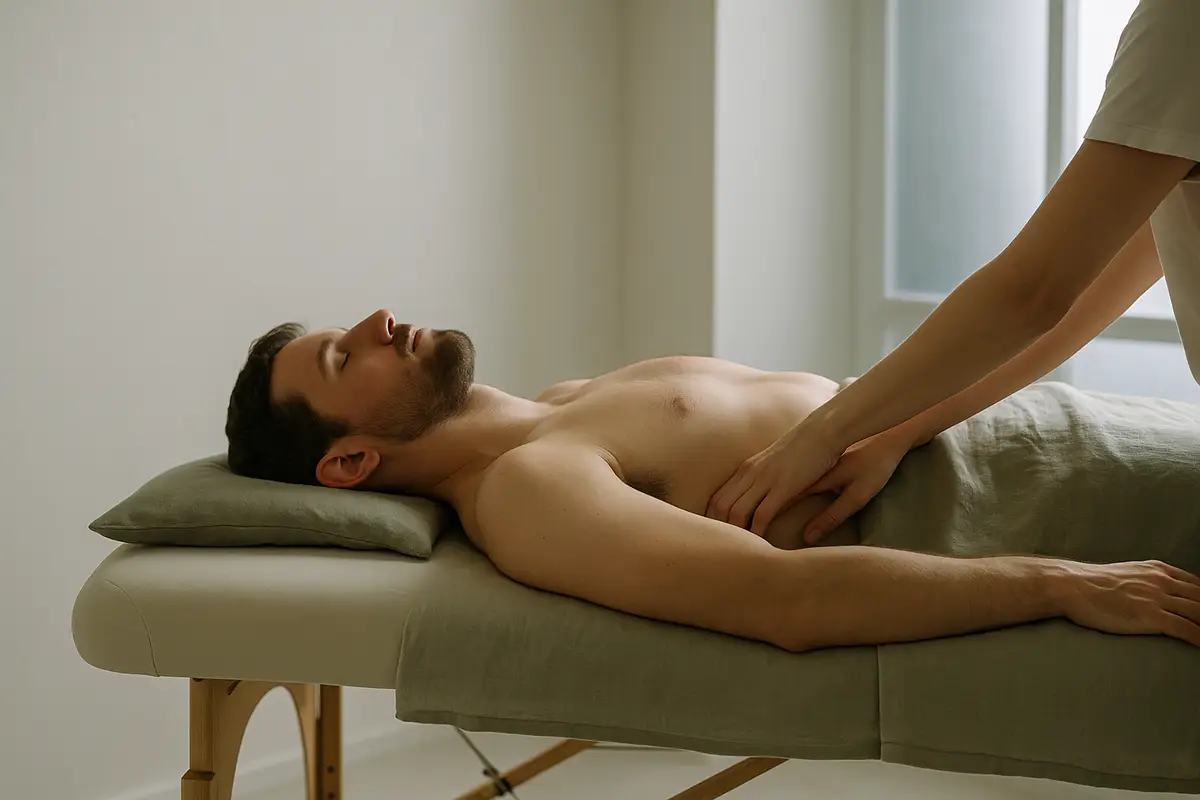
Most people walk out of a massage session feeling like a completely different person. The tension melts away, breathing deepens, and the mental noise quiets down. Then comes the familiar question: how often should I actually be doing this?
The honest answer is that there is no single schedule that works for everyone. The right frequency depends on what you’re trying to achieve — whether that’s relieving everyday stress, managing a specific physical condition, recovering from workouts, or simply maintaining your overall sense of well-being.
This guide breaks down the ideal massage frequency for a range of health goals, so you can build a routine that actually delivers lasting results rather than just occasional relief.
Why Massage Frequency Matters
Massage therapy is most effective when it’s consistent. A single session can offer immediate relief, but the cumulative benefits — reduced inflammation, improved circulation, lower cortisol levels, and stronger muscle recovery — come from regular, ongoing sessions.
Think of it the way you’d approach exercise or nutrition. One good workout doesn’t transform your health. But a regular practice, tailored to your goals, absolutely can. The same logic applies to therapeutic bodywork.
That said, going too frequently can also be counterproductive. Your body needs time to process and respond to each session. A trusted therapist will help you find the sweet spot for your specific situation.
Massage Frequency by Health Goal
1. Stress Relief and Mental Wellness
If your primary reason for getting massages is to manage daily stress, anxiety, or tension headaches, a monthly session is a solid starting point. For people carrying a higher stress load — demanding jobs, caregiving responsibilities, or periods of emotional strain — every two to three weeks tends to produce noticeably better results.
Massage works on stress by activating the parasympathetic nervous system, slowing the heart rate, and lowering cortisol. Over time, regular sessions can help reset your baseline stress response, making you more resilient between appointments.
If you’re interested in pairing massage with other stress-reducing therapies, exploring a calming sauna and heat therapy experience can deepen the relaxation effect and give the nervous system an additional reset.
2. Muscle Recovery and Athletic Performance
Athletes and active individuals often get the most from massage when sessions are timed around their training schedule. During high-volume training periods, weekly or biweekly sports massage can help reduce delayed onset muscle soreness, improve flexibility, and keep the body performing at its best.
During lighter training or off-season periods, once or twice a month is typically sufficient to maintain the gains. Many professional athletes treat massage as a non-negotiable part of their recovery protocol — and for good reason.
For maximum recovery results, pairing your massage sessions with heat therapy can accelerate the process. The deep heat of a traditional steam ritual loosens connective tissue before bodywork, making the massage itself more effective.
3. Chronic Pain Management
For people dealing with chronic pain conditions — fibromyalgia, lower back pain, sciatica, arthritis, or tension-related migraines — regular massage is often most effective when started intensively and then tapered as symptoms improve.
A common approach is to schedule sessions weekly for the first month or six weeks. As the body responds and pain levels decrease, sessions can be spaced to every two weeks, then monthly for maintenance. Always coordinate with your healthcare provider when using massage as part of a broader pain management plan.
If chronic pain is a concern, you might also benefit from exploring targeted therapeutic bodywork options tailored to your specific pain patterns.
4. General Wellness and Preventive Care
You don’t need a specific complaint to justify regular massage. Many people simply use it as a proactive wellness practice — to maintain mobility, prevent tension from building, support immune function, and improve sleep quality.
For general wellness, once a month is considered the baseline. If budget and schedule allow, every two to three weeks keeps the body in a more consistently balanced state. Think of it as routine maintenance, not a luxury.
5. Injury Rehabilitation
Recovering from a sports injury, surgery, or musculoskeletal strain often benefits from more frequent sessions in the early stages. Massage can support tissue healing, reduce scar tissue formation, and improve range of motion — but the appropriate frequency should always be guided by your physical therapist or physician.
In many rehabilitation programs, two to three sessions per week are recommended early on, tapering off as recovery progresses. Don’t rush this stage — consistency during rehabilitation pays dividends in long-term function.
6. Prenatal Wellness
Prenatal massage, when performed by a trained therapist, is safe from the second trimester onward and offers significant benefits — reduced lower back pain, improved circulation, better sleep, and lower stress hormones that benefit both mother and baby.
Monthly sessions are a good starting point. As the pregnancy progresses and physical discomfort increases, some clients find biweekly sessions more helpful during the third trimester. Always consult your OB or midwife before beginning a massage routine during pregnancy.
How to Build Your Personal Massage Schedule
Creating a massage routine that works comes down to a few key steps:
- Define your primary goal. Are you managing stress, recovering from training, dealing with chronic pain, or simply maintaining wellness? Your goal determines your starting frequency.
- Start with a trial period. Commit to a consistent schedule for six to eight weeks before evaluating results. The effects of massage are cumulative — give your body time to respond.
- Communicate with your therapist. A skilled therapist will assess how your body is responding and recommend adjustments to frequency, pressure, or technique.
- Listen to your body. Increased soreness, fatigue, or sensitivity after sessions can indicate you’re going too frequently. On the other hand, tension returning within a week of each session may mean you’d benefit from more regular appointments.
- Consider complementary therapies. For deeper results, pairing massage with skin-renewing facial treatments or a steam bath ritual can amplify the overall wellness effect.
The Role of Sauna and Heat in Your Massage Routine
One of the most effective ways to enhance the results of regular massage is to combine it with heat therapy. Steam and sauna sessions prepare the body for deeper, more effective bodywork — muscles relax more quickly, circulation increases, and connective tissue becomes more pliable.
Eastern European wellness traditions have long understood this pairing. The classic banya ritual — cycling between intense heat, cold immersion, and rest — is one of the most potent recovery and detox tools available. At Aura Esthetic Spa & Sauna, we’ve preserved that tradition so you can experience it firsthand. Explore the full details of our traditional banya steam and wellness ritual to see how this centuries-old practice can support your massage routine.
If you’d like to learn more about the specific treatments available during a banya visit, our guide to authentic Eastern European bath house therapies covers everything from steam rituals to the iconic venik massage.
Bringing a Partner or Friend? Consider a Couples Session
Massage is a profoundly personal experience, but sharing it with someone you care about adds an entirely different dimension. Couples massage allows two people to relax simultaneously in the same room, guided by skilled therapists, while enjoying the shared benefits of tension release and restored connection.
Whether you’re celebrating a milestone, recovering together after a physically demanding event, or simply carving out intentional time together, a shared relaxation and rejuvenation experience for two can be a meaningful addition to your regular wellness routine.
Quick Reference: Recommended Massage Frequency by Goal
- Stress relief and mental wellness: Monthly, or every 2–3 weeks during high-stress periods
- Athletic recovery and performance: Weekly or biweekly during training; monthly in off-season
- Chronic pain management: Weekly for 4–6 weeks, then taper to monthly maintenance
- General wellness and prevention: Once a month as baseline; every 2–3 weeks for optimal results
- Injury rehabilitation: 2–3 times per week initially, guided by your care team
- Prenatal wellness: Monthly from second trimester; biweekly in third trimester if needed
Ready to Start Your Massage Routine?
Understanding how often to get a massage is the first step. The next is finding a trusted team of therapists who can help you design a routine that actually fits your life and goals.
At Aura Esthetic Spa & Sauna, our licensed therapists work with each guest individually — whether you’re coming in for the first time or are ready to establish a consistent wellness schedule. From therapeutic bodywork to our signature Eastern European steam rituals, everything here is designed to help your body feel its best, session after session. Proudly serving clients from Warminster, Newtown, Richboro, Montgomery County, and surrounding communities.
Call us at 215-322-3033 or book your appointment online. Your body will thank you for it.