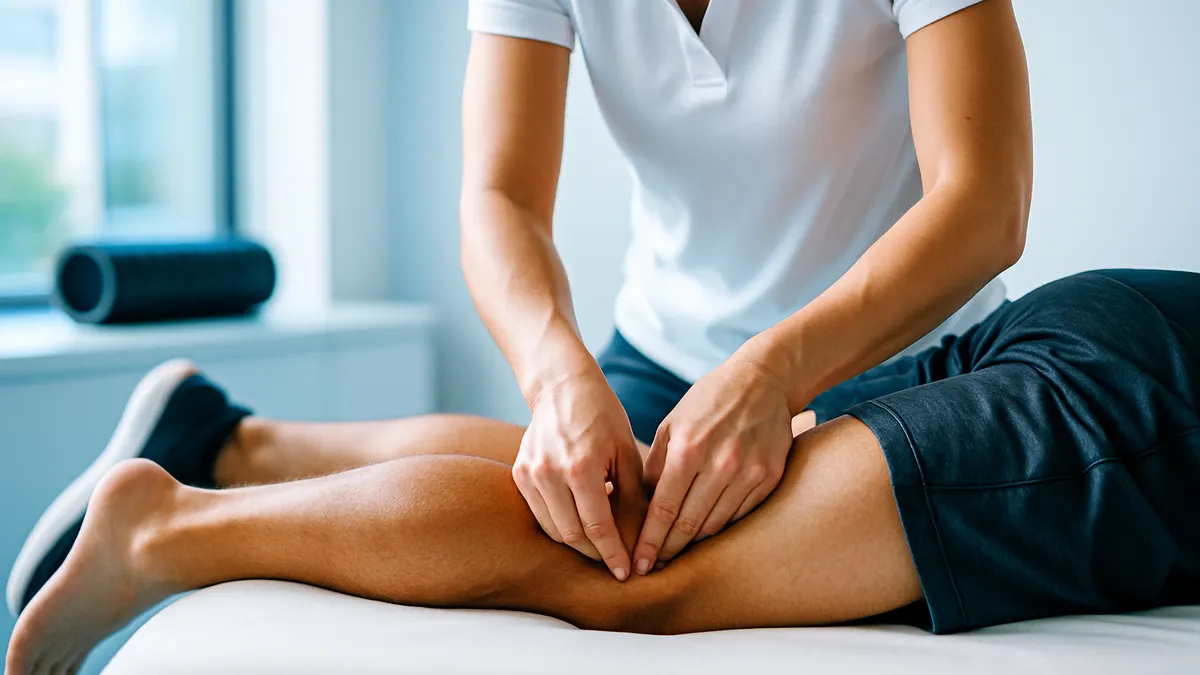
Sports massage speeds up muscle recovery, reduces post-workout soreness, and restores flexibility by increasing blood flow to fatigued tissue and releasing the tension that builds up after hard training. For athletes and active adults, that translates into shorter recovery windows, fewer nagging injuries, and a body that’s ready to go again sooner rather than later.
Whether you’re training for a race, lifting several times a week, or just trying to keep up with weekend games, how your body recovers matters just as much as how hard you train. Recovery isn’t downtime you squeeze in when there’s nothing else on the calendar; it’s the part of training where the actual adaptation happens. This guide covers what sports massage actually does, how it differs from other treatments, when to schedule it around your training, and how to build it into a recovery routine that keeps you moving forward instead of sidelined.
What Is Sports Massage?
Sports massage is a focused form of bodywork built for people who put repeated physical stress on their muscles. Rather than aiming purely for relaxation, a sports massage therapist works around your training schedule, targeting the specific muscle groups — hamstrings, calves, shoulders, lower back — that take the biggest hit during your sport or activity.
It’s easy to lump sports massage in with a standard body massage, but the two are built for different goals. A general massage session is designed around whole-body relaxation, while sports massage is engineered around performance — preparing muscles before an event, flushing out tension after one, or maintaining tissue health during a heavy training block.
The pressure and technique also tend to run deeper than a relaxation massage. Much of what a sports massage therapist does pulls from deep pressure work, the same techniques covered in this comparison of how deep tissue and Swedish strokes differ, which is worth a read if you’re not sure which style fits your recovery goals.
Top Benefits of Sports Massage for Athletes and Active Adults
Regular sports massage delivers a handful of measurable benefits that compound the more consistent you are with it.
Faster Muscle Recovery
Intense training creates microscopic tears in muscle fibers, which is a normal part of getting stronger, but it also causes soreness and stiffness. Massage increases circulation to the area, helping deliver oxygen and nutrients that speed up tissue repair and clear out the metabolic waste that builds up during hard effort.
Improved Flexibility and Range of Motion
Tight, overworked muscles restrict how far a joint can move, which limits performance and raises injury risk. Sports massage loosens fascia and muscle fibers, helping you move through a fuller range of motion during your next training session.
Reduced Risk of Injury
Chronic tightness in one muscle group often forces another to compensate, creating the kind of imbalance that leads to strains and overuse injuries. Regular massage catches these tight spots early, before they turn into something that sidelines you for weeks.
Better Circulation and Oxygen Delivery
Massage stimulates blood flow throughout the treated area, improving how efficiently oxygen and nutrients reach working muscles. Better circulation also supports faster clearance of metabolic byproducts that contribute to that heavy, sore feeling after a hard workout.
Reduced Muscle Tension and Soreness
Delayed onset muscle soreness typically peaks 24 to 48 hours after a hard session. Sports massage performed within that window can meaningfully reduce how intense that soreness feels, letting you get back to normal movement faster.
Enhanced Mental Focus and Stress Relief
Training hard is physically and mentally taxing. Massage lowers stress hormone levels and triggers the release of endorphins, which can improve sleep quality and mental clarity — both of which play a bigger role in athletic performance than most people realize.
When to Get a Sports Massage: Before or After Training
Timing changes what a sports massage session is meant to accomplish, so it helps to know which one you're booking.
Before Training or Competition
A pre-event massage uses lighter, faster strokes designed to warm up muscles and increase blood flow without leaving tissue feeling overworked. It’s typically scheduled a day or two before a big event, never immediately before, since deep pressure right before competing can temporarily reduce strength output.
After Training or Competition
Post-event massage uses slower, deeper strokes focused on flushing metabolic waste and easing tightness. Most people see the best results scheduling it within 24 to 48 hours of a hard session, timed to fall right in the window when soreness typically peaks.
Heat therapy pairs especially well with post-training massage. Many clients add time in the bath house beforehand to loosen tight muscles, which makes the massage that follows more effective.
If you’re trying to figure out exactly where sauna time fits around a workout, this breakdown of pre- versus post-workout sauna use walks through the timing in more detail.
What to Expect During a Sports Massage Session
A typical session runs 60 to 90 minutes and starts with a short conversation about your training load, any problem areas, and upcoming events. From there, your therapist will:
- Assess tight or overworked muscle groups before starting
- Use a combination of deep pressure, stretching, and myofascial release
- Focus more time on the areas your sport stresses most, legs for runners, shoulders for swimmers, and so on
- Check in throughout the session so pressure stays in a productive range rather than a painful one
- Wrap up with light stretching to help lock in the improved range of motion
Expect some soreness afterward, especially if it’s your first deep-pressure session; that typically fades within a day. Drinking water and staying lightly active afterward helps your body process the session well.
Building Sports Massage Into a Full Recovery Routine
Massage works best as part of a broader recovery approach rather than a stand-alone fix. Pairing it with a body treatment focused on circulation and detoxification can extend the benefits between sessions, especially during a heavy training block.
Recovery is easier to stick with when it isn’t a solo habit. Training partners who book a couples session together tend to keep a more consistent recovery schedule than those going it alone, and it turns a maintenance task into something to look forward to.
Athletes prepping for a race or competition often bundle recovery care with other services in the same visit — a gentle hair removal session before a triathlon or open-water swim is a common example — so the whole prep list gets handled in one trip instead of several.
For runners specifically, pairing massage with the right stretching sequence makes a noticeable difference, something we’ll dig into in an upcoming guide on the best post-massage stretches for runners.
Who Actually Needs Sports Massage?
The term “sports massage” makes it sound like it’s reserved for people competing at a high level, but the muscle stress it addresses shows up in a lot of everyday situations, not just competition.
You’re likely a good candidate if you:
- Train more than two or three times a week, whether that’s running, lifting, cycling, or team sports
- Are ramping up mileage or intensity ahead of a specific event
- Sit at a desk most of the day and then train hard in the evenings, a combination that tends to create its own tightness in the hips and lower back
- Notice the same muscle group tightening up or nagging at you week after week
- Are coming back from a minor strain and want to support the healing process alongside rest
None of that requires an elite fitness level. A therapist adjusts pressure and technique to match your training load and recovery needs, whether you’re preparing for a first 5K or a tenth marathon.
Your Body Keeps the Score
Recovery is what makes consistent training possible. At Aura Esthetic & Spa, our therapists build every sports massage session around your specific training schedule and goals, so you leave ready to get back to what you do best.