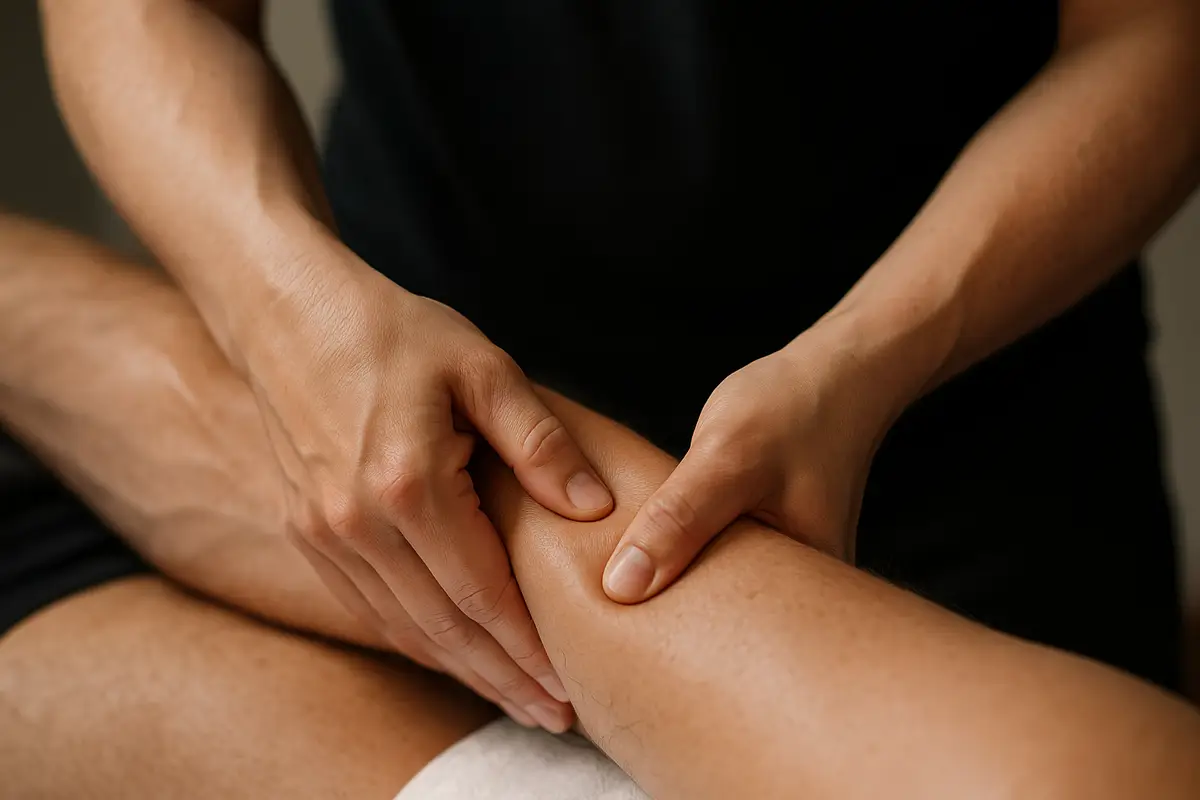
Cupping therapy supports muscle recovery by using gentle suction to lift the skin and fascia, drawing fresh, oxygen-rich blood into overworked tissue. This helps reduce post-exercise soreness, release tight knots, improve flexibility, and clear metabolic waste — all without the downward pressure of a traditional massage.
If you have ever finished a tough workout or a long shift on your feet and felt that deep ache settle into your back and shoulders, you already know recovery matters as much as effort. Muscles rebuild after activity, not during it — and how well they rebuild depends on blood flow, rest, and how quickly tension is released. That is exactly where cupping therapy shines.
This guide explains what cupping is, how it helps muscles recover faster, what a session feels like, and how to combine it with other spa treatments for the best possible results.
What Is Cupping Therapy?
Cupping therapy is a bodywork technique in which specially designed cups — usually silicone, glass, or plastic — are placed on the skin to create suction. Instead of pressing down into the muscle the way massage does, cupping pulls tissue gently upward. That negative pressure separates the skin from the fascia (the thin connective tissue wrapping every muscle), stimulates circulation, and triggers the body’s natural repair response.
The practice dates back thousands of years across Chinese, Middle Eastern, and Eastern European healing traditions, but it has found a firm place in modern recovery routines — you have probably noticed the signature circular marks on professional swimmers and gymnasts. For a broader look at the treatment itself, including the different cup styles and what those marks actually mean, see this walkthrough of how cupping therapy works from start to finish.
How Cupping Therapy Helps Muscles Recover
Sore muscles are usually the result of three things working against you: microscopic tears in muscle fibers, restricted blood flow in tight tissue, and a buildup of metabolic byproducts that the body has not yet cleared. Cupping addresses all three at once.
1. It Increases Blood Flow Where You Need It Most
Suction draws blood to the surface and into the layers of tissue beneath the cup. That surge delivers oxygen and nutrients directly to muscle fibers that are trying to rebuild, which is why many people feel a noticeable drop in stiffness within a day or two of treatment.
2. It Releases Tight Fascia
When fascia becomes dehydrated or stuck to the muscle beneath it, movement feels restricted even when the muscle itself is healthy. The lifting action of cupping creates space between these layers, helping restore the natural glide that makes movement feel smooth and easy again.
3. It Eases Delayed-Onset Muscle Soreness (DOMS)
That heavy, tender feeling one to two days after hard exercise is delayed-onset muscle soreness. By improving circulation and reducing tension in the affected area, cupping can take the edge off DOMS and shorten the days you spend moving carefully.
4. It Supports Lymphatic Drainage
Your lymphatic system carries away cellular waste, but it has no pump of its own — it relies on movement and pressure changes. The rhythmic suction of cupping encourages lymphatic flow, helping the body flush out byproducts of exercise more efficiently.
Key Benefits of Cupping for Muscle Recovery at a Glance
- Faster relief from soreness: Improved circulation delivers nutrients to healing muscle fibers.
- Deeper release of knots and trigger points: Suction reaches tension that surface-level pressure can miss.
- Better flexibility and range of motion: Freed fascia allows muscles to lengthen fully.
- Reduced inflammation buildup: Enhanced lymphatic flow clears metabolic waste.
- Relaxation of the nervous system: Recovery accelerates when the body shifts out of stress mode.
- A comfortable alternative to deep pressure: Ideal for anyone who finds firm massage too intense on sore days.
Cupping vs. Other Muscle Recovery Methods
Cupping is not a replacement for other recovery tools — it is a complement to them. The table below shows how it fits alongside the most popular options.
| Recovery Method |
How It Works |
Best For |
| Cupping therapy |
Negative pressure lifts skin and fascia, drawing fresh blood into tight tissue |
Stubborn knots, fascial restrictions, post-workout stiffness |
| Deep tissue massage |
Firm downward pressure breaks up adhesions in deeper muscle layers |
Chronic tension and targeted trigger-point work |
| Hot stone massage |
Heated stones relax muscles and widen blood vessels before hands-on work |
General relaxation and mild, widespread soreness |
| Sauna / steam |
Whole-body heat raises circulation and loosens connective tissue |
Pre-treatment warm-up and full-body recovery days |
| Rest and hydration |
Gives muscle fibers time and raw materials to rebuild |
Every recovery plan — nothing replaces the basics |
Because cupping lifts tissue while massage compresses it, the two techniques pair exceptionally well in a single session. If you are weighing your hands-on options, this breakdown comparing hot stone and deep tissue approaches to muscle pain is a helpful place to start.
What to Expect During a Cupping Session: Step by Step
If you have never tried cupping before, the process is simpler — and far more relaxing — than the dramatic circular marks might suggest.
- Consultation: Your therapist asks about sore areas, recent workouts, injuries, and any skin sensitivities so the treatment can be tailored to you.
- Positioning: You lie comfortably on a treatment table, draped just as you would be for a massage, with only the treatment area exposed.
- Cup placement: Cups are applied to targeted zones — most often the back, shoulders, neck, or legs — and gentle suction is created. You will feel a pulling or stretching sensation, but it should never hurt.
- Stationary or gliding work: Cups may stay in place for five to fifteen minutes, or the therapist may glide oiled silicone cups across the muscle for a massage-like effect.
- Aftercare: Cups are released, the skin is checked, and you receive hydration and activity guidance for the next 24 hours.
Many guests book cupping as an enhancement to a professional massage therapy session, letting the therapist alternate between suction and hands-on techniques for a more complete release. The circular marks that follow typically fade within three to seven days and are a sign of increased blood flow, not injury.
How to Get the Most Out of Cupping for Recovery
Heat is cupping’s best friend. Warm muscles are more pliable, circulation is already elevated, and fascia releases more readily, which is why experienced spa-goers often schedule a full sauna and spa circuit before their bodywork — even fifteen minutes of dry heat makes a noticeable difference.
For a deeper version of that warm-up, a traditional bath house ritual — alternating steam, heat, and cool-down plunges — primes the entire body for therapeutic work. Athletes in Eastern Europe have used this combination for generations, and there is a growing conversation around sauna vs. ice bath for muscle recovery that makes the contrast method worth exploring in its own right.
A few simple habits will also extend your results:
- Drink plenty of water before and after your session to support circulation and lymphatic flow.
- Avoid intense training for 24 hours afterward so the tissue can consolidate the benefits.
- Eat a light meal beforehand — arriving overly full or completely empty can make the session less comfortable.
- Communicate with your therapist about suction intensity; effective cupping should feel like a firm stretch, never pain.
Is Cupping Safe? Who Should Skip It
Cupping is well tolerated by most healthy adults, with side effects usually limited to temporary marks and mild tenderness. That said, speak with a healthcare provider first — or choose a different treatment — if you are pregnant, take blood thinners, have a bleeding disorder, or have skin irritation, sunburn, or open wounds in the treatment area. A good therapist will always review your health history before beginning.
Building Cupping Into a Complete Recovery Day
Recovery is easier to commit to when it feels like a reward rather than a chore. Some guests turn their treatment into a shared couples spa experience, enjoying side-by-side bodywork before unwinding together in the relaxation lounge — a genuinely pleasant way to make wellness a habit rather than an occasional fix.
Others round out the day from head to toe: after the muscles have been treated, a restorative facial treatment takes advantage of the elevated circulation cupping leaves behind, when skin is especially receptive to hydration and nutrients.
If smooth, comfortable skin is part of your self-care routine, scheduling gentle hair removal services on a separate visit — rather than the same day as cupping — keeps freshly treated skin calm and avoids overlapping sensitivity.
Consistency matters more than intensity. For weekend athletes, a session every two to three weeks keeps tension from accumulating; for those training hard, weekly work may be worth it. We will be covering how often you should schedule cupping sessions and cupping therapy for runners and endurance athletes in more depth in upcoming guides.
Give Your Muscles the Recovery They Deserve
Cupping therapy earns its place in a recovery routine by improving circulation, releasing the fascia that keeps muscles feeling locked up, and helping the body clear out what hard work leaves behind. Whether you’re an athlete chasing faster turnaround or simply tired of carrying tension in your shoulders, it’s a technique worth experiencing firsthand. The licensed therapists at Aura Esthetic & Spa in Southampton, PA combine cupping with massage, steam, and authentic bath house traditions to build recovery sessions that actually work, and it’s a routine guests travel for from across the region. Regulars come in from Warminster after long training weeks, from Newtown looking to loosen up before a busy weekend, and from Richboro for a mid-week reset. Others make the drive from Holland and the wider Montgomery County area, since consistent recovery work is easier to stick with when the spa itself feels worth the trip. Call 215-322-3033 to book a session that fits your recovery routine.