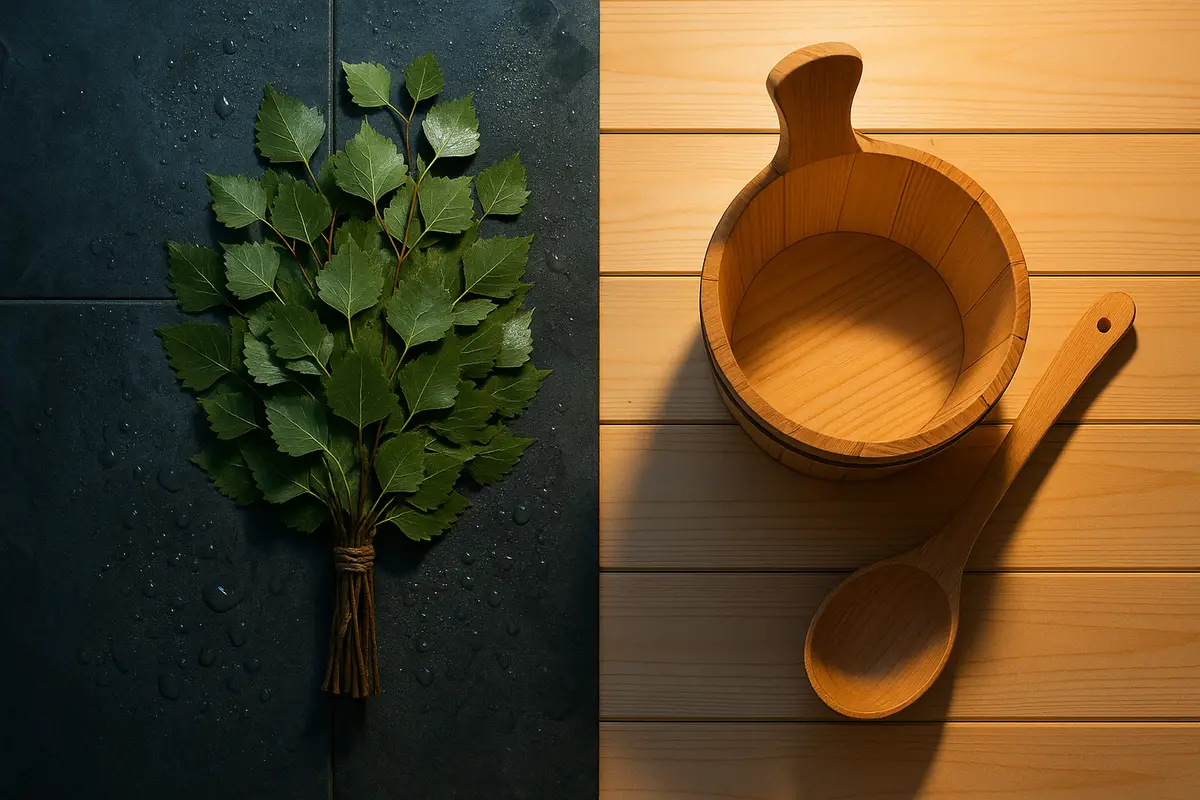
The main difference between a Russian banya and a Finnish sauna comes down to humidity. A banya delivers wet, dense steam at moderate temperatures, usually 140 to 195 degrees Fahrenheit with 40 to 70 percent humidity, while a Finnish sauna produces dry, intense heat at 175 to 210 degrees with humidity often below 20 percent. The banya is also a social, ritual-driven experience built around venik whisking and cold plunges, whereas the Finnish sauna favors quiet, meditative heat sessions.
Here is the short version at a glance:
- Banya: wet steam, lower air temperature, higher humidity, venik massage, social atmosphere
- Finnish sauna: dry heat, higher air temperature, low humidity, quiet relaxation, löyly steam bursts
- Both: improved circulation, muscle recovery, stress relief, and deep, satisfying sweat
What Is a Russian Banya?
A Russian banya is a traditional steam bath that has been part of Slavic life for more than a thousand years. Its heart is the parilka, or steam room, where water thrown over heated stones fills the air with thick, enveloping steam. Because the air is so humid, heat penetrates the body quickly and feels far more intense than the thermometer suggests. Visitors alternate steam rounds with cold plunges, rest, and conversation over tea.
The banya has always been more than a place to sweat. It is where families gathered, friendships deepened, and important conversations happened. That communal spirit survives today: a visit to an authentic Russian bath house typically lasts two to three hours and unfolds at a relaxed, unhurried pace rather than a quick in-and-out heat session.
The Venik Ritual
No banya experience is complete without the venik, a leafy bundle of birch, oak, or eucalyptus branches soaked in hot water until soft and fragrant. A bath attendant uses it to rhythmically tap, brush, and press the body, driving heat deeper into the muscles and stimulating circulation. Far from painful, it feels like a vigorous botanical massage, and the released plant oils leave skin remarkably soft. For a closer look at how the ritual works, this guide to venik massage and other bath house treatments walks through each step of a traditional session.
What Is a Finnish Sauna?
The Finnish sauna is a wood-lined room heated by a stone-topped stove called a kiuas. The air is hot and dry, typically 175 to 210 degrees Fahrenheit, with humidity kept low. Bathers ladle small amounts of water onto the stones to create löyly, a brief wave of steam that intensifies the heat before the air dries out again. In Finland, the sauna is treated almost as sacred space: quiet, contemplative, and woven into daily life, with roughly three million saunas for five and a half million people.
A typical Finnish session runs 10 to 20 minutes in the heat, followed by a cool shower, a cold lake dip, or simply fresh air, then another round. The dry heat produces a slower, steadier sweat than a banya, and many people find it easier to tolerate for longer stretches. Regular dry-heat bathing is also associated with meaningful wellness payoffs; research from Finland has linked frequent sauna use to better cardiovascular markers, and the skin glow, detox, and anti-aging effects of consistent sauna sessions are among the most noticeable benefits first-time bathers report.
7 Key Differences Between a Banya and a Finnish Sauna
1. Heat and Humidity
This is the defining contrast. A Finnish sauna runs hotter on the thermometer but feels drier, allowing sweat to evaporate and cool the skin. A banya runs cooler in raw temperature, yet its saturated air blocks evaporation, so heat builds in the body faster and the experience feels more intense minute for minute.
2. The Steam Itself
In a banya, steam is constant and central; the parilka stays thick with humidity throughout the session. In a Finnish sauna, steam is an accent. The löyly bursts come and go, and the baseline experience is dry radiant heat from the stove and wooden benches.
3. Rituals and Treatments
The banya is built around active rituals: venik whisking, honey and salt scrubs, and platza treatments performed by an attendant. The Finnish tradition includes its own gentle whisk, the vihta, but the default sauna session is passive: you sit, breathe, and sweat.
4. Social Atmosphere
Banya culture is talkative and communal. Between steam rounds, guests share tea, snacks, and long conversations in the rest area, and celebrations at the bath house are common. Finnish sauna culture prizes silence and introspection; loud conversation inside the hot room is often considered poor etiquette.
5. Cooling Traditions
Both traditions treat cooling as essential, not optional. Banya-goers favor dramatic contrast: cold plunge pools, buckets of icy water, or a roll in the snow. Finns lean toward lake swims, cold showers, or standing outside in crisp air. This hot-cold cycling, sometimes called contrast therapy, is where much of the circulation benefit comes from.
6. Session Structure and Length
A Finnish sauna visit can be complete in 30 to 45 minutes. A proper banya visit is an event: three or more steam rounds separated by cooling, rest, food, and conversation, often stretching past two hours.
7. How Your Body Responds
Humid banya steam opens airways, loosens muscles quickly, and produces a heavy sweat fast. Dry Finnish heat raises core temperature more gradually, which suits longer, meditative sessions. Neither is objectively better; they serve different goals and temperaments.
Banya vs Sauna: Side-by-Side Comparison
| Feature |
Russian Banya |
Finnish Sauna |
| Temperature |
140–195°F (60–90°C) |
175–210°F (80–100°C) |
| Humidity |
40–70% (wet steam) |
5–20% (dry heat) |
| Perceived heat |
Very intense, fast-building |
Steady, gradual |
| Signature ritual |
Venik whisking, platza |
Löyly steam bursts |
| Atmosphere |
Social, lively, communal |
Quiet, meditative |
| Typical visit |
2–3 hours, multiple rounds |
30–60 minutes |
| Cooling method |
Cold plunge, ice bucket, snow |
Lake dip, cold shower, fresh air |
Shared Health Benefits, Different Paths
Despite their differences, both traditions deliver overlapping wellness benefits backed by growing research on heat therapy:
- Circulation and heart health: heat widens blood vessels and gently elevates heart rate, similar to light cardio.
- Muscle recovery: warmth relaxes tight tissue and eases post-workout soreness.
- Stress relief: heat exposure lowers cortisol and promotes deep relaxation and better sleep.
- Skin renewal: sweating flushes pores while heat boosts blood flow to the skin’s surface.
- Respiratory comfort: banya steam in particular can soothe airways and ease congestion.
Heat also primes the body beautifully for hands-on care. Warm, relaxed muscles respond better to a professional body massage, which is why many guests schedule bodywork immediately after their steam rounds rather than before.
The same logic applies to skincare. Steam softens the skin and opens pores, making it an ideal warm-up for a rejuvenating facial treatment that can cleanse, exfoliate, and hydrate more effectively than it would on cool, closed skin.
Which One Should You Choose?
Choose the Russian banya if you:
- Want an immersive, ritual-rich experience rather than a quick heat session
- Enjoy social bathing with friends, family, or a group celebration
- Are curious about venik massage and traditional platza treatments
- Prefer wet steam that loosens muscles and airways quickly
Choose the Finnish sauna if you:
- Prefer quiet, meditative heat and time alone with your thoughts
- Find humid air uncomfortable or overwhelming
- Want shorter sessions you can fit into a busy week
- Like controlling intensity yourself with occasional löyly steam
Of course, you do not have to pick just one, and you do not have to go alone. Sharing the hot-cold ritual is one of the oldest bonding traditions in the world, and a couples spa experience that combines steam, massage, and quiet time together turns an ordinary date into something genuinely memorable.
What to Expect on Your First Visit: Step by Step
If you have never tried either tradition, here is a simple first-timer’s roadmap:
- Hydrate first. Drink water before you arrive and keep sipping between rounds.
- Shower and enter. Rinse off, then start with a short 5-to-10-minute round on a lower bench.
- Cool down. Step out, take a cool shower or plunge, and rest until your heart rate settles.
- Repeat 2 to 4 rounds. Build tolerance gradually; add venik or higher benches as you get comfortable.
- Rest and refuel. Finish with tea, water, and a light snack, and give yourself time before driving.
A little grooming ahead of time also helps. Because heat and sweat can irritate freshly shaved skin, many regulars book gentle hair removal a few days before their steam session so skin has time to calm and the results last longer. We will cover more preparation tips, including sauna etiquette for beginners and infrared sauna vs traditional sauna, in upcoming guides.
Experience Both Traditions in One Place
The banya and the Finnish sauna are two answers to the same timeless question: how do we use heat to heal, relax, and connect? Whether you crave the roaring steam and venik rituals of the Russian tradition or the quiet, contemplative warmth of the Finnish one, the best way to decide is to feel the difference for yourself. At Aura Esthetic & Spa, both worlds meet under one roof in Southampton, PA, where authentic steam, expert treatments, and unhurried relaxation come standard. Book a visit, bring a friend, and discover which tradition speaks to you.