
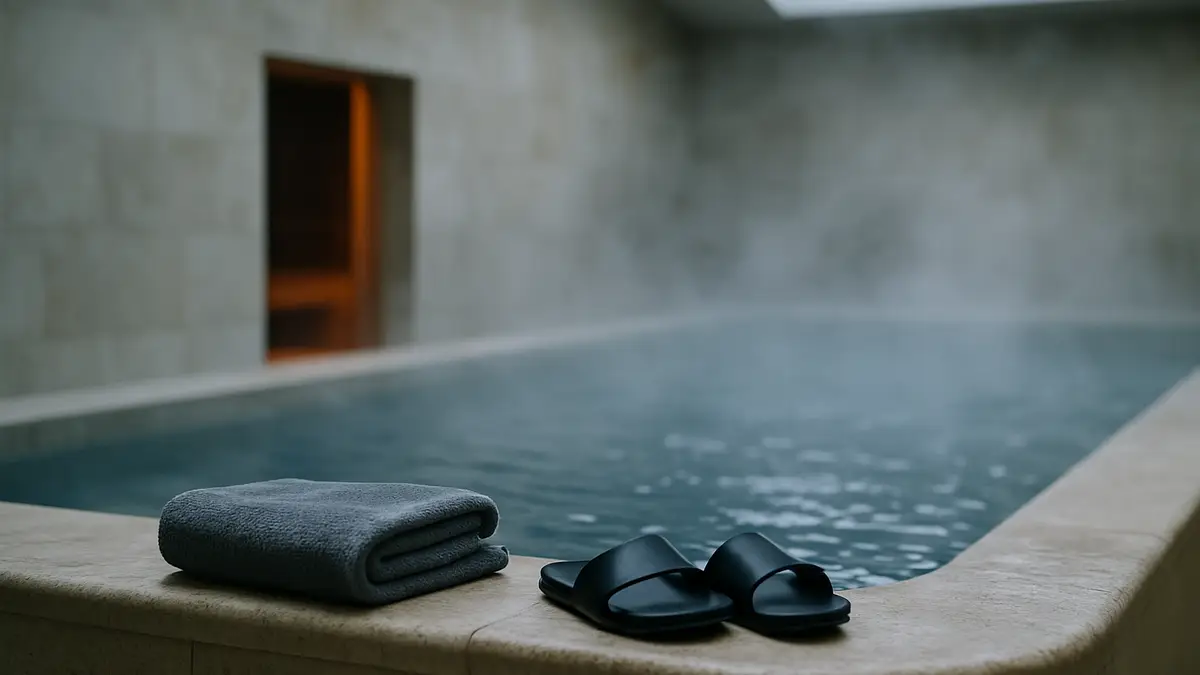
Stepping into a cold plunge immediately after a sauna session triggers rapid vasoconstriction that flushes metabolic waste from tired muscles, sharpens mental alertness, and trains the cardiovascular system to adapt quickly to temperature swings. Known as contrast therapy, this heat-to-cold sequence is one of the most effective recovery practices available, supporting circulation, easing inflammation, and leaving the body feeling recharged rather than simply relaxed.
What Is Cold Plunge Therapy?
Cold plunge therapy involves submerging the body in water typically between 50 and 59 degrees Fahrenheit for a short, controlled period. When performed directly after heat exposure, such as time spent in a sauna, the practice creates a physiological contrast the body doesn’t experience under normal daily conditions. That contrast is the entire point. It’s the shift between hot and cold, not either temperature alone, that produces the strongest results for circulation, recovery, and mood.
Unlike a standard ice bath used on its own, a post-sauna cold plunge starts from an already elevated body temperature. This means the drop the body experiences is far more dramatic than stepping into cold water from a resting state, which is part of why the pairing produces noticeably stronger effects than either practice done in isolation.
Why Cold Plunge Pairs So Well With a Sauna Session
The Science Behind Contrast Therapy
A sauna session raises core body temperature and widens blood vessels near the skin’s surface, a process called vasodilation. This pushes warm, oxygen-rich blood outward and increases heart rate in a way that mimics light cardiovascular exercise. The moment the body enters cold water, blood vessels constrict sharply, a response known as vasoconstriction, and blood is redirected back toward the core and vital organs. This rapid pumping action between dilation and constriction is often called a vascular workout, and it’s the underlying mechanism behind most of cold plunge therapy’s benefits.
Some practitioners also research ice bath versus cold plunge tub comparisons to decide which format fits their recovery routine best.
Top Benefits of Cold Plunging After a Sauna
Better Circulation and Cardiovascular Conditioning
The repeated expansion and contraction of blood vessels during a hot-to-cold cycle strengthens vascular tone over time, similar to how resistance training strengthens a muscle. Many people report warmer hands and feet, reduced swelling, and steadier energy throughout the day as circulation improves with consistent practice. Athletes and anyone recovering from long stretches of sitting often notice this benefit first, since blood flow to the extremities tends to be the most sluggish area to begin with. Over weeks of regular practice, this vascular training effect can also contribute to steadier blood pressure regulation, since the vessels become more responsive to the body’s natural signals rather than staying in one fixed state.
Faster Muscle Recovery and Reduced Inflammation
Cold exposure narrows blood vessels and slows the buildup of inflammatory fluid around sore or overworked muscles, which is why cold plunge therapy has become a staple of post-workout recovery routines. Pairing it with the heat and sweat of a sauna session first helps loosen tight tissue, so the cold that follows has an easier time reducing swelling and soreness.
For anyone managing chronic tension or recovering from a hard training block, following this routine with a therapeutic massage session in Richboro can extend those recovery benefits even further by working directly on the muscle tissue itself.
Sharper Mental Clarity and Lower Stress
The shock of cold water triggers a surge of norepinephrine, a hormone tied to alertness and mood regulation. Combined with the calming effects of sauna heat beforehand, many people describe the sequence as clearing mental fog almost instantly. This is part of why contrast therapy has grown so popular among people managing high-stress jobs or irregular sleep schedules; the practice offers a fast, drug-free way to reset the nervous system between demanding days.
Immune Support and Glowing Skin
Alternating hot and cold temperatures encourages lymphatic drainage, which helps the body clear waste products more efficiently and may support a stronger immune response over time. The cold water also tightens pores and reduces surface redness left behind by sauna heat, giving skin a firmer, more even appearance almost immediately.
This routine builds directly on sauna’s skin-detoxifying and anti-aging effects, since the heat opens pores and increases blood flow before the cold locks in that renewed, refreshed look.
How to Safely Alternate Between Heat and Cold
Contrast therapy is simple, but sequencing and timing matter. Follow a gradual, structured approach rather than diving in at full intensity on the first try:
- Start with 10 to 15 minutes in the sauna to fully raise core body temperature
- Rinse off with a lukewarm shower before entering the cold plunge
- Limit the initial cold plunge to 30 to 60 seconds, working up to 2 to 3 minutes over several sessions
- Breathe slowly and steadily rather than gasping, which helps the nervous system adjust faster
- Repeat the hot-to-cold cycle two to three times per session for the best circulatory effect
- Always finish on cold, since ending on heat can leave blood vessels dilated and reduce the recovery benefit
For those new to the practice, understanding recommended sauna session durations is a useful starting point, since spending too long in the heat before plunging can lead to lightheadedness rather than the energized feeling contrast therapy is meant to produce.
A traditional Russian bath house session in Richboro offers a naturally structured way to practice this rhythm, since banya rituals have historically alternated between intense steam heat and cool rinses for centuries.
Common Mistakes to Avoid
A few habits can turn contrast therapy from energizing into uncomfortable, or even risky. Keep these in mind before starting a routine:
- Jumping straight into ice-cold water without easing in gradually
- Staying in the cold plunge too long in an attempt to intensify the benefits
- Skipping hydration before or after the sauna, which increases the risk of dizziness
- Practicing contrast therapy on an empty stomach or right after a heavy meal
- Ending the routine on heat instead of cold, which reverses the circulatory benefit
Booking a full spa and bath house experience in Richboro with guided timing takes the guesswork out of these steps, especially for first-time visitors who aren’t yet familiar with how their body responds to rapid temperature changes. Many newcomers also look into
building cold tolerance safely over time once they’ve gotten comfortable with the basic routine.
Who Should Use Caution With Cold Plunge Therapy
Cold plunge therapy isn’t right for everyone. People with uncontrolled high blood pressure, heart conditions, Raynaud’s disease, or who are pregnant should talk with a physician before combining sauna heat with cold immersion. Anyone feeling dizzy, nauseous, or unusually fatigued during a session should exit the water immediately and warm up gradually rather than pushing through the discomfort. It’s also worth avoiding contrast therapy right before bed for those sensitive to the alertness cold exposure produces, since the same norepinephrine surge that sharpens focus during the day can make it harder to wind down at night.
Experience the Benefits of Sauna and Bath House Therapy
At Aura Esthetic & Spa, every sauna and bath house visit is designed to support this kind of restorative, full-body reset. Aura Esthetic & Spa combines traditional heat therapy with a calm, guided environment, making it easier to build contrast therapy into a regular wellness routine without guessing at timing or temperature on your own.