Aromatherapy massage combines traditional massage techniques with therapeutic-grade essential oils to ease muscle tension while calming the nervous system. Scent molecules interact with the brain’s limbic system, the region tied to mood and memory, which is why a session can leave you feeling physically loosened and mentally lighter than a standard massage alone. It is one of the most requested treatments for guests who want relaxation and muscle relief addressed in the same appointment.
What Is Aromatherapy Massage?
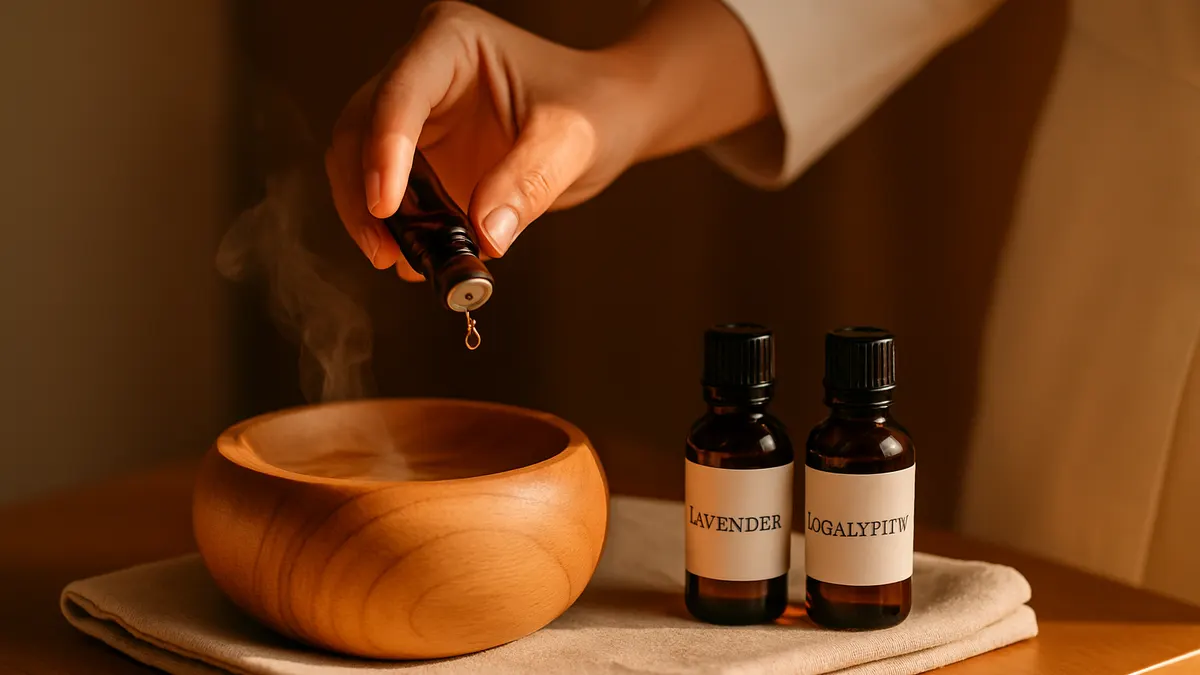
Aromatherapy massage is a therapeutic treatment that blends hands-on bodywork with plant-derived essential oils chosen for their calming, energizing, or pain-relieving properties. A trained therapist selects oils based on your goals, whether that means easing anxiety, relieving sore muscles, or simply carving out a moment of stillness in a busy week. Unlike scented lotions used purely for fragrance, therapeutic essential oils are diluted in a carrier oil and applied with intention, working alongside massage strokes similar to those used in a classic body massage session to deliver benefits on both a physical and emotional level. The oils are never applied at full strength; a licensed therapist blends them into a neutral carrier oil, such as sweet almond or jojoba, at a concentration that is safe for direct skin contact.
How Essential Oils Work: The Science of Scent and Relaxation
When you inhale essential oil molecules, they travel through the olfactory nerve directly to the limbic system, the part of the brain that governs emotion, memory, and stress response. This is part of why a single scent, such as lavender or citrus, can shift your mood almost instantly. At the same time, many essential oils are absorbed through the skin during massage, where compounds like linalool or menthol interact with nerve receptors to ease inflammation and muscle tightness. The combination of inhalation and topical absorption is part of what a broader look at the mental health benefits of regular massage therapy points to as a reason clients often report lower stress and steadier mood after a session.
This dual pathway, scent through the nose and compounds through the skin, is what separates aromatherapy massage from simply lighting a candle in a treatment room. The physical pressure of massage also increases local blood flow, which some therapists believe helps essential oil compounds reach tired muscle tissue more efficiently during the session.
Popular Essential Oils Used in Aromatherapy Massage
Every essential oil brings a different effect to the table, so your therapist will typically ask a few questions before choosing a blend. Common options include:
- Lavender: calming, supports better sleep, reduces everyday anxiety
- Eucalyptus: clears the sinuses, helps ease muscle soreness
- Peppermint: energizing, useful for tension headaches
- Chamomile: gentle and soothing, well suited to sensitive skin or high stress
- Ylang Ylang: mood-lifting, helps balance emotional swings
- Sweet Orange or Bergamot: uplifting, helps cut through mental fatigue
Therapists often adjust which oils pair with which massage style. A slow, gentle session built purely for relaxation might lean on lavender or chamomile, while a firmer session aimed at working out stubborn knots may call for peppermint or eucalyptus for their warming effect. If you are unsure which approach fits your needs, this breakdown of different massage types and their benefits explains how pressure and technique change the experience, which can help you decide what to request alongside your oil blend.
What to Expect During an Aromatherapy Massage Session
A typical appointment follows a simple, predictable flow:
- Consultation: your therapist asks about stress levels, health conditions, scent preferences, and any sensitivities.
- Oil selection: two or three oils are blended into a carrier oil based on your goals for the session.
- Patch test: if you are trying a new scent, a small amount is tested on your skin first.
- The massage: full-body or targeted work is performed, with oils applied through classic massage strokes.
- Aftercare: your therapist will suggest hydrating well, since the relaxation effects and any lingering scent benefits often continue for hours afterward.
Most sessions take place in a quiet, dimly lit room with soft music, since the goal is to minimize outside stimulation so both the massage and the scent can do their work without distraction.
Key Benefits of Aromatherapy Massage
- Deeper relaxation than massage alone, thanks to the added scent-emotion connection
- Reduced muscle tension and stiffness, particularly in the neck, shoulders, and lower back
- Better sleep quality in the days following treatment, especially with calming oils like lavender
- Lower stress and anxiety levels, supported by the limbic system’s response to scent
- Improved circulation, which can leave skin looking brighter immediately after a session
- Headache and sinus relief, depending on the oil blend used
- A more personalized, multi-sensory spa experience overall
Because the benefits stack, many guests find that a single aromatherapy session addresses both the physical tightness and the mental fatigue that a purely physical massage might only partly resolve.
Who Can Benefit Most From Aromatherapy Massage
Aromatherapy massage tends to make the biggest difference for people managing everyday stress, mild anxiety, sleep difficulties, or general muscle tension from long hours at a desk or on your feet. It is also a gentle entry point for anyone newer to massage who wants a softer, more calming introduction before trying deeper bodywork. Clients with specific health considerations, including those who are pregnant, should always mention this during booking, since some oils are not recommended in certain trimesters; our team maintains internal guidance on essential oil safety during pregnancy so appointments can be adjusted safely. Athletes and clients recovering from minor muscle strain also benefit, though very acute injuries are typically better suited to a firmer, targeted massage style rather than a purely relaxation-focused session.
Pairing Aromatherapy Massage With Other Spa Treatments
Many guests build a full wellness day around their massage rather than treating it as a standalone visit. Booking a shared couples spa treatment alongside your aromatherapy session is a popular choice for anniversaries, birthdays, or simply carving out time together.
A rejuvenating facial treatment pairs naturally with aromatherapy massage as well, since both use plant-based ingredients and a similarly slow, unhurried pace that extends the calming effect of your visit.
Some guests prefer to warm up first with time in our heated sauna and spa suite, which loosens muscles before the massage begins and can make the essential oils feel even more effective once your therapist starts working.
Others choose to close out their visit with a traditional bath house ritual, using the contrast of heat and cool water to extend the circulation benefits that aromatherapy massage helps kick-start.
If your visit includes some grooming alongside relaxation, a gentle hair removal service can easily be scheduled in the same appointment window, so you leave feeling completely refreshed from head to toe.
How Often Should You Book Aromatherapy Massage?
For general stress management, once a month is a common rhythm, giving both the muscles and the nervous system a regular reset without becoming a major time commitment. During particularly demanding stretches, such as a busy work season or a period of poor sleep, some clients book every two to three weeks until things level out. On the other end, an occasional session every few months can still provide value as a standalone treat, even without a set schedule. The right cadence really comes down to your goals: ongoing stress relief benefits from consistency, while occasional relaxation is perfectly fine as needed.
How to Prepare for Your Aromatherapy Massage Appointment
- Arrive 10 to 15 minutes early to complete intake and settle in before your session starts
- Avoid a heavy meal right beforehand, since lying face-down can feel uncomfortable on a full stomach
- Mention any allergies, asthma, or skin sensitivities during your consultation
- Let your therapist know about pregnancy or other health conditions so oils can be adjusted
- Drink water after your session to support circulation and help your body process the treatment
- Consider requesting a hot stone aromatherapy massage on a future visit if you enjoy added warmth alongside your oils
Final Thoughts on Aromatherapy Massage
Whether you are new to massage or looking for a more calming alternative to your usual routine, aromatherapy massage offers a simple way to address both body and mind in a single visit. At Aura Esthetic & Spa, every session is tailored around your goals, from the oils selected to the pressure applied, so you leave feeling genuinely restored rather than just relaxed for the afternoon.