The core difference between an infrared sauna and a traditional sauna comes down to how each one warms your body. A traditional sauna heats the surrounding air to high temperatures, often between 150°F and 195°F, using an electric, wood, or gas heater loaded with volcanic rocks. An infrared sauna skips the air almost entirely and uses infrared panels to send radiant heat straight into your skin and muscle tissue, typically at a gentler 120°F to 150°F. Both types make you sweat, both raise your heart rate, and both have a long history of use for relaxation and recovery, but the experience inside each one feels distinctly different.
If you have only ever stepped into a steamy Russian-style bath house or a Finnish-inspired cedar cabin, the idea of a sauna that barely heats the air might sound like a contradiction. It is not. Infrared heat and convection heat are simply two different paths to the same goal: raising your core body temperature enough to trigger a deep sweat response. The sections below break down exactly how the two compare, what the research says about each, and how to figure out which one actually fits your routine.
Infrared Sauna vs. Traditional Sauna at a Glance
|
Traditional Sauna |
Infrared Sauna |
| Heat Source |
Heated stones warm the air |
Infrared panels warm the body directly |
| Air Temperature |
150°F – 195°F |
120°F – 150°F |
| Humidity |
Dry, with optional steam |
Dry throughout, no steam |
| Typical Session |
10 – 20 minutes per round |
20 – 45 minutes per session |
| Preheat Time |
30 – 45 minutes |
Minutes, heats up quickly |
| Group Size |
Larger, built for several people |
Smaller, usually one or two people |
| Best Known For |
The full steam-and-ritual experience |
Gentle, penetrating warmth |
What Is a Traditional Sauna?
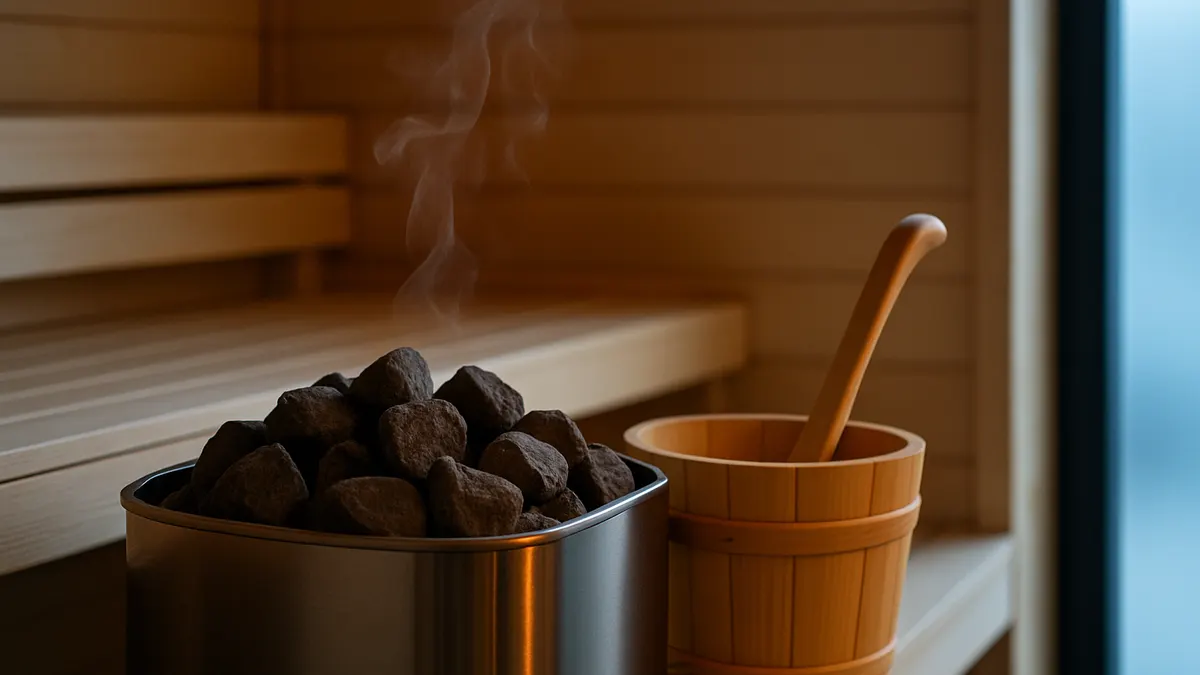
A traditional sauna, sometimes called a Finnish sauna or a Russian banya depending on its cultural roots, is a wood-lined room where an electric, wood-burning, or gas heater warms a bed of stones. As those stones radiate heat, the air inside the room climbs to 150°F to 195°F, and that hot air is what raises your skin and core temperature, not direct radiant energy. Many traditional saunas also include a bucket of water so bathers can pour it over the hot stones, releasing a burst of steam that briefly spikes humidity and intensifies the heat.
This is the version of sauna bathing tied to centuries of ritual: sitting on wooden benches, alternating heat exposure with a cold plunge or cool shower, and often finishing with a gentle branch massage in the Russian banya tradition. An authentic Russian banya experience in Holland still follows this same structure: hot, humid, communal, and built around a deliberate hot-cold cycle rather than a single static session. Because the air itself is doing the work, traditional saunas typically need thirty to forty-five minutes to fully preheat before a session even starts.
What Is an Infrared Sauna?
An infrared sauna looks similar from the outside, a small wood-paneled cabin, but the mechanics inside are completely different. Instead of a stone heater, the walls contain ceramic or carbon infrared panels that emit electromagnetic radiation in the near, mid, or far-infrared spectrum. That radiant energy passes through the air with almost no loss and is absorbed directly by the skin and the tissue just beneath it, which is why infrared saunas can produce a noticeable sweat at air temperatures as low as 120°F.
There is no steam, no water on rocks, and no humidity spike; infrared sessions stay dry from start to finish. Because the panels heat up almost instantly, there is little to no wait before a session can begin, and the lower ambient temperature makes infrared cabins more tolerable for people who find very high heat overwhelming. Most infrared units are also built smaller, designed for one or two people rather than a group, which makes them a popular choice for home installations and solo wellness routines.
Key Differences Between Infrared and Traditional Saunas
Heat Source and Sensation
The heating method is the real dividing line between the two. Traditional saunas rely on convection and radiant heat from stones warming the air, so the body heats up gradually from the outside in, starting at the skin and working inward. Infrared saunas bypass the air and use radiant electromagnetic energy that penetrates soft tissue more directly, which many people describe as a deeper but gentler warmth rather than the enveloping blast of a stone sauna. Neither sensation is objectively better. A stone sauna feels intense and immersive, while an infrared cabin feels more like resting under a warm lamp, and personal heat tolerance usually decides which one a person prefers.
Temperature and Session Length
Because traditional saunas run hotter, sessions tend to be shorter. Most people stay in for ten to twenty minutes before stepping out to cool down, sometimes repeating the cycle two or three times. Infrared saunas operate at a gentler 120°F to 150°F, so sessions commonly stretch to twenty to forty-five minutes without needing a break, since the lower temperature is easier on the cardiovascular system over a longer period. For anyone new to sauna bathing, starting with shorter exposure and building up gradually applies to either type, and knowing the recommended sauna session length for a given fitness level and heat tolerance helps avoid overdoing it on the first few visits, especially in a high-heat traditional room.
Humidity and the Steam Ritual
Humidity is where the two experiences diverge the most. Traditional saunas can shift from dry heat to a humid steam room in seconds simply by pouring water over the hot stones, which is central to Finnish and Russian bathing traditions and part of what makes the ritual feel communal and immersive. Infrared saunas stay dry throughout; there is no water, no steam, and no humidity spike, which some bathers find easier to breathe in while others find less cleansing. Anyone weighing a fully dry infrared session against a humid, steam-based option may find it useful to understand how steam heat compares to dry sauna heat before deciding which atmosphere actually suits their lungs, skin, and comfort level.
Health Benefits and the Research Behind Each
Traditional sauna bathing has the longer research history. Large, long-term observational studies out of Finland have linked frequent traditional sauna use to lower rates of cardiovascular disease and better markers of heart health, and the high-heat exposure is often compared to the cardiovascular effect of moderate exercise. Infrared sauna research is newer and the body of evidence is smaller, but early clinical studies have shown promising results for blood vessel function, exercise tolerance, and muscle recovery after intense activity. Both types are associated with improved circulation, stress reduction, and better sleep with consistent use. Neither type is a substitute for medical care, and anyone with a cardiovascular condition, low blood pressure, or who is pregnant should check with a physician before starting a regular routine.
Who Each Type Tends to Suit Best
Traditional saunas are usually larger, built to comfortably seat several people at once, which makes them a natural fit for shared, social sessions among couples, friends, or a small group unwinding together after a workout. Infrared cabins are typically sized for one or two, making them better suited to a quiet, solo wellness habit or a quick session worked into a busy schedule. People who find very high temperatures uncomfortable often gravitate toward infrared, while people who want the full ritual of steam, heat, a cold plunge, and a social atmosphere tend to prefer the traditional route.
EMF Exposure and Air Quality
Electromagnetic field exposure is one more factor worth knowing about, since infrared panels sit closer to the body than a stone heater does. Reputable manufacturers design panels to meet low-EMF standards, and independent testing generally shows the difference between a well-built infrared cabin and a traditional sauna, where the heater is also a source of EMF from a greater distance, is minor for most users. Air quality is the other practical difference. A traditional sauna’s steam feels humid and cleansing but can be less comfortable for anyone with respiratory sensitivities, while an infrared sauna’s dry air suits some people better and others less well. Neither factor rules out one type for most healthy adults, but both are worth weighing alongside temperature and session length.
Which Sauna Type Is Right for You?
There is no universally better option, and neither type of sauna outranks the other on every measure. The right choice depends on what a person is looking for out of a session, what their body tolerates, and how they want the ritual to feel, and these quick guidelines can help narrow it down.
- Choose a traditional sauna for an intense, high-heat experience with the option to add steam
- Choose a traditional sauna for a social, group setting or a full bath house ritual with a cold plunge
- Choose an infrared sauna when sensitive to high heat but still wanting a deep sweat
- Choose an infrared sauna for longer, lower-intensity sessions that work well solo
- Choose a traditional sauna for a routine backed by decades of large-scale research
- Choose an infrared sauna for a gentler introduction to sauna bathing before working up to higher heat
- Try both when unsure, since many regular sauna users rotate between the two depending on the day
Experience an Authentic Traditional Sauna Near You
If the traditional route sounds like the better fit, the experience is really about the ritual as much as the heat. A proper session moves through stages: warming up in the hot room, stepping out for a cold plunge or cool rinse, resting, and repeating the cycle two or three times, often finished with a gentle branch massage. A Russian bath house near Warminster follows this same structure, built around genuine stone heat rather than a modern electric shortcut.
The same holds true a bit further south, where residents in Richboro, Newtown, Levittown, and Montgomery County can make the trip for a real-heat, real-steam experience close to home. Guests from these nearby communities visit for the same reason: an authentic traditional ritual rather than a shortcut version of one.
Choose Authentic Heat, Not a Shortcut
Whichever type of heat you are drawn to, understanding the difference before you book helps you walk in with the right expectations. At Aura Esthetic Spa & Sauna, every bath house session is built around the traditional Russian banya ritual, real stone heat, real steam, and the full hot-and-cold cycle, rather than a shortcut version of it, giving you the experience the tradition was actually built on.